

Why Do Moms Come Home From Vacation Exhausted?
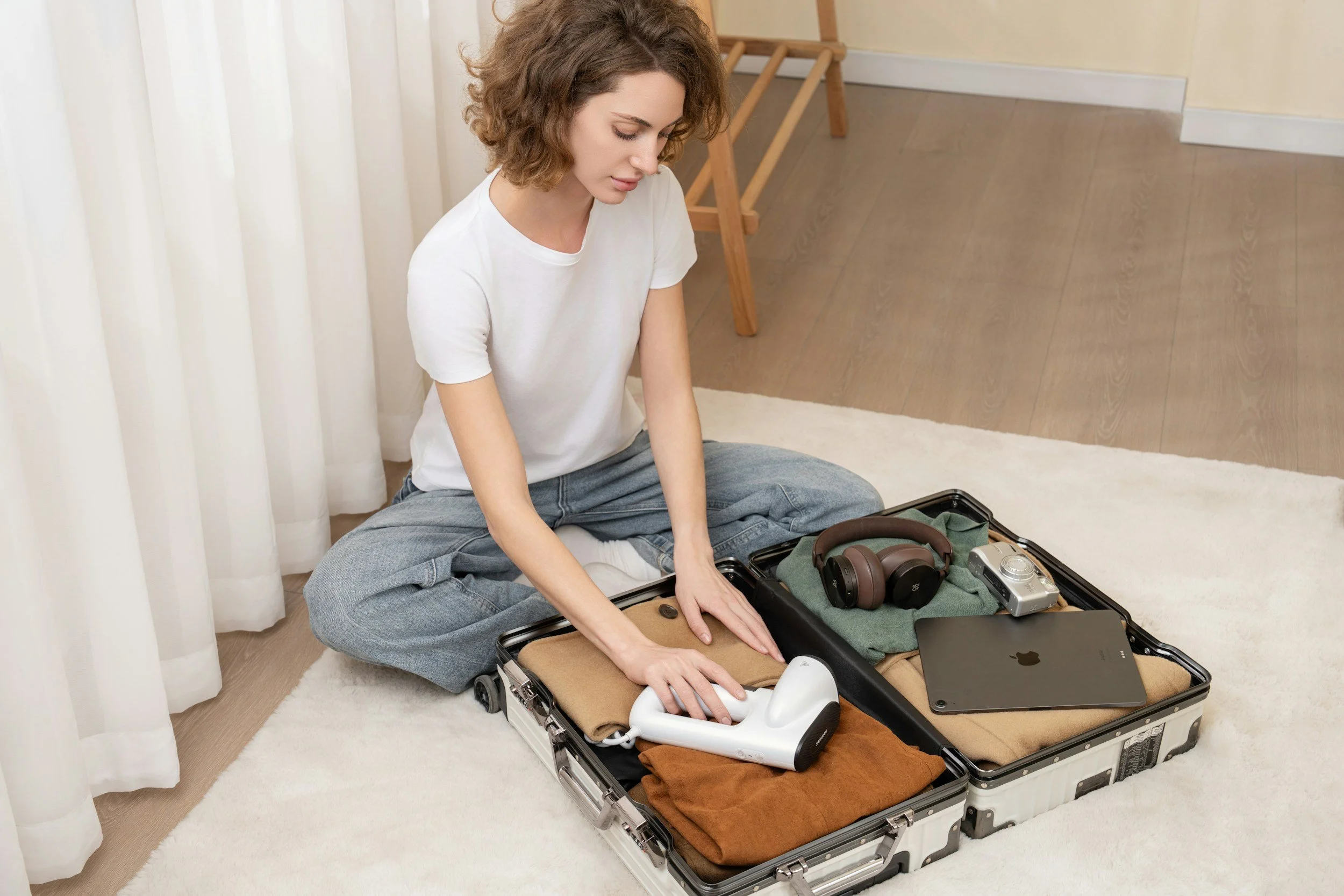
You get home from vacation and instead of feeling refreshed, you feel like you ran a marathon in flip-flops.
The car is full of sand and sticky cups. Someone is overtired. Someone is crying. There’s laundry waiting. Groceries to buy. Emails to answer. And somehow the “relaxing” week away feels like it took more out of you than your normal routine.
It’s not that the trip wasn’t good. It probably was. There were moments you’ll remember. Pictures you’ll love. Laughs that felt real.
But you’re still exhausted.
And that contradiction can feel confusing.
Vacation Is Parenting in a Different Zip Code
Family vacation is rarely actual rest for moms. It’s parenting without your usual systems.
You’re still tracking sunscreen. Still remembering who hates which foods. Still managing bedtimes in a place where no one sleeps as well. Still negotiating meltdowns, overstimulation, and hunger...just near a beach instead of your kitchen.
The setting changes. The responsibility doesn’t.
And because you’re out of your normal rhythm, it often takes more energy to do the same things.
The Work Starts Before You Leave
By the time the trip begins, you’ve already done hours of invisible labor.
You booked it. Coordinated schedules. Packed the right clothes. Checked the weather. Thought about medications, snacks, chargers, swim gear, backup plans, and a million other things. You probably mentally rehearsed worst-case scenarios while folding laundry.
Vacation officially starts when you pull out of the driveway.
For you, it started two weeks earlier.
So when you arrive, you’re not exactly starting from zero.
Stimulation Isn’t the Same as Restoration
Vacations are stimulating. New places. New routines. Different sleep setups. More social interaction. More activity.
Even if it’s fun, it’s activating.
Your nervous system doesn’t necessarily register that as rest. It registers novelty. Movement. Alertness.
You’re regulating kids in unfamiliar environments. Staying flexible when plans change. Smoothing over sibling fights in public. Trying to enjoy yourself while also keeping everyone safe and mostly happy.
That kind of engagement burns fuel.
Sometimes we expect a full recharge from something that was never designed to be restful. It may be fun, but not restful.
The Pressure No One Says Out Loud
There’s also the pressure underneath it all.
You spent money and you carved out time.
You want the memories and the photos. You want everyone to have a good time.
So when someone is cranky or bored or fighting, you pivot. You adjust. You work harder to keep the mood steady.
Even when you’re technically sitting down, part of you is still scanning the room.
So of course it's hard to fully exhale when you’re still managing the experience.
Why Therapy Often Comes Into This Conversation
This is something I hear a lot in therapy, especially this time of year.
Moms will say, “I don’t understand why I’m so exhausted. We just went away.”
And when we begin to unpack it, what often surfaces is not just physical fatigue, but chronic nervous system activation. If you are the emotional anchor of your family, the one who anticipates needs and smooths tension, your body rarely fully powers down. Even in beautiful settings.
For some women, this pattern runs deeper than vacation logistics. Your system may default to staying on guard. That can make it hard to truly rest, even when circumstances allow for it.
EMDR therapy can be helpful when that “always on” feeling feels ingrained. It works with the nervous system directly, helping to reprocess earlier experiences that taught your body to stay alert. EMDR intensives can offer more concentrated time to shift patterns that don’t move with surface-level self-care.
Sometimes the exhaustion isn’t about the trip. It’s about never really being off duty.
What Actually Feels Restful
Rest tends to include less responsibility, predictable rhythm, and time where no one needs anything from you.
Family vacations rarely include that last piece.
They matter. They create shared experiences. But they don’t automatically restore your nervous system.
If you want future trips to feel less draining, here are a few practical shifts that can help:
• Build in real downtime that is not structured or performance-based.
• Lower the magic bar. One meaningful moment a day is enough.
• Share responsibility intentionally. Even small things count.
• Plan a buffer day at home before returning to work or routines.
• Protect one pocket of alone time during the trip, even if it’s just a solo walk or quiet coffee.
And after you get home, instead of diving straight into reset mode, consider choosing one small act of recovery. A shower with the door locked. An early bedtime. Ordering dinner instead of cooking. Letting the unpacking happen gradually.
You do not have to sprint back into real life.
Final Thoughts
If you come home from vacation tired, it doesn’t mean the trip failed or it went awry.
It means you were still carrying the weight, you were just carrying it somewhere else.
You deserve rest too, mama.
Not just connection. Not just memories. Not just logistics handled beautifully.
Actual rest.
And it’s okay to want that.
»»»»»»»»»»»»»»»»»»»»»»»»»»»»»»»»»»»»»»»»»»»»»»»»»»»»»»»»»»»»»»»»»»»»»»»»»»»»»»»»»»»»»»»»»»»»»»»»»»
✨ Not sure if you’re burned out or just tired?
Take my quick Burnout Quiz for Moms to find out where you are on the burnout spectrum and what kind of support might help you feel more grounded again.
It only takes a few minutes and it’s a gentle first step toward feeling lighter and more like yourself.
👉Click here
